 Mattresses
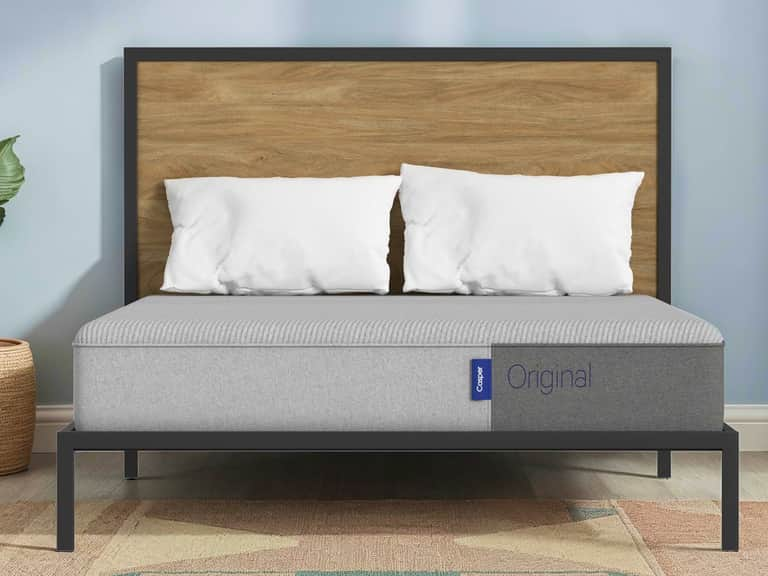
Original Mattress
Sleep cooler and supported all night with Casper’s breathable foam, pressure-relieving memory foam, and a 3-zone design that aligns your spine for balanced comfort from top to base.
Foam mattresses are designed to provide contouring support and pressure relief through layered foam components, which can adapt to body shape and sleeping positions. These beds often incorporate varying densities and transition foams to balance comfort with spinal alignment, making them suitable for a range of sleepers and firmness preferences in the bedding category.
Original Mattress features often include high-density support cores and memory foam or transition foam layers for responsive comfort. This combination helps reduce motion transfer, limit sinkage, and maintain a stable sleeping surface, while addressing common concerns such as back pain and shoulder pressure, particularly for side and back sleepers.
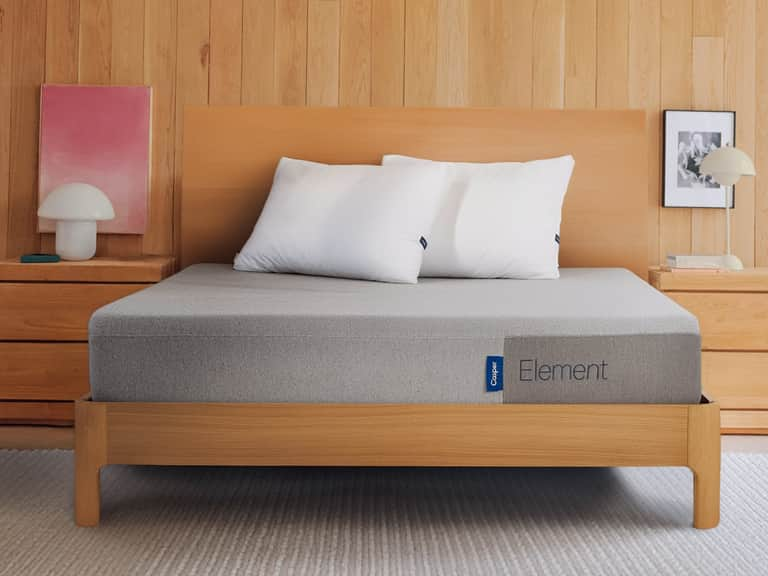
The Element Mattress emphasizes progressive foam layering and targeted zoning to enhance support where needed and soften pressure points where desired. By integrating open-cell constructions or breathable foams, it can promote airflow, helping to regulate temperature during the night and support a cooler sleep environment.
In evaluating foam mattresses, consider key attributes such as foam density, firmness rating, cover materials, and cooling technologies. Higher-density foams generally offer greater durability and support, while breathable covers and open-cell foams contribute to improved airflow, contributing to overall comfort and longevity in the bedding ecosystem.
Understanding the compatibility of foam mattresses with organic and hypoallergenic bedding elements—such as organic crib mattresses and compatible sheets—helps ensure a cohesive sleep setup. Integrating knowledge about materials, certifications, and care guidelines supports informed decisions within the bedding domain, alongside related pillows and bedding accessories.
Mattresses
 Mattresses