Choosing an Organic Mattress: A Canadian Guide to Comfort, Health, and Sustainability
In a country defined by vast landscapes and changing seasons, the mattress you choose is more than a surface to rest on—it is a sanctuary that sustains your health, supports your posture, and honors the land that fosters the materials it embodies. This Canadian guide traverses the spectrum of organic mattresses, from natural latex to organic cotton and wool-filled designs, illuminating how certifications, durability, and regional considerations converge to shape a responsible, restorative sleep experience.
The domain mattresses.ca invites a thoughtful examination of sleep products within a Canadian context. Our aim here is not to promote a single brand but to equip readers with clear, evidence-based perspectives about organic options, their certifications, and practical buying strategies tailored to climate, budgets, and values. As you read, you will encounter material-focused insights, certification explanations, and a practical checklist designed to help you navigate conversations with retailers, manufacturers, and sleep scientists alike.
Part I: Understanding Organic Mattress Materials
Organic mattresses emerge from a philosophy that prioritizes natural inputs, transparency in sourcing, and a commitment to healthier indoor environments. In Canada, where winters test the limits of comfort and humidity can vary across provinces, material choices have tangible implications for breathability, temperature regulation, and long-term durability. The three primary organic pathways—organic latex (Dunlop or Talalay), organic cotton, and organic wool—each contribute a distinct sleep character and environmental footprint.
Organic latex, commonly derived from Hevea brasiliensis trees, offers resilience and buoyancy that can align with various firmness preferences. Dunlop latex tends to provide a denser, more uniform feel, while Talalay latex is often praised for a softer, more elastic surface. In Canada, where thermal comfort is a common concern, latex’s natural breathability can contribute to a cooler sleep surface in summer and a balanced warmth in winter when layered with appropriate bedding. Look for GOLS certification, which signals that the latex material has been produced under standards designed to protect both workers and the environment.
Organic cotton fabrics, used both as the mattress cover and as core fill in some designs, bring a soft, breathable shell that helps regulate microclimates around the body. GOTS certification (Global Organic Textile Standard) is a key indicator of organic fiber integrity, including processing and dyeing practices. When cotton constitutes the outer fabric or battings, a high thread count and tightly woven cover can contribute to a calm, sleep-inducing surface without creeping chemical residues into the sleeping environment.
Organic wool serves as a natural flame retardant alternative in some Canadian designs and can be used as a breathable insulating layer. Wool is well known for moisture-wicking and temperature-regulating properties, which can be particularly advantageous in regions with cold winters and damp springs. Certifications and origin traceability help ensure that wool is ethically sourced and free from synthetic contaminants that could compromise indoor air quality.
Part II: Certifications That Matter in Canada
Certifications operate as a trusted lens through which consumers can evaluate claims about “organic” and “natural.” The Canadian market has alignments with international standards, yet it also bears unique regulatory nuances that affect warranty language, consumer rights, and regional climate considerations. The most commonly encountered certifications are GOTS (Global Organic Textile Standard) for textiles, GOLS (Global Organic Latex Standard) for latex, and various third-party safety labels that readers should understand before committing to a purchase.
GOTS ensures that fibers entering the product are organic and that processing, dyeing, and finishing meet environmental and social criteria. For mattresses, a GOTS-certified cover or padding signals a high standard of organic integrity in the textile portions of the product. GOLS certifies the organic status of latex, one of the core materials in many organic mattresses. A GOLS-certified latex component indicates rigorous controls over the production process, including the absence of certain unwanted chemicals and sustainable farming practices. In a Canadian climate, where the interior environment is often a controlled space, these certifications provide a reliable signal about what a product is and isn’t releasing into your sleeping environment.
Beyond certifications, buyers should examine the overall material composition, the presence or absence of synthetic foams, and the robustness of edge supports and coil systems where applicable. Some organic designs integrate springs with organic encasings or use a latex core with natural fibers for insulation and support. If you encounter a claim of “organic” on a mattress that uses substantial synthetic foams or chemical flame retardants, seek out the exact material breakdown and certification cross-checks. A transparent manufacturer will present a bill of materials (BOM) and provide third-party test results or a clear methodology page explaining how the product meets its stated organic or natural credentials.
Part III: Durability, Warranty, and Regional Considerations
Durability remains central to the sustainability narrative of organic mattresses. In Canada, where household climates vary from coastal to prairie to northern, the performance of mattress components can be influenced by humidity levels, air quality, and routine cleaning practices. An organic mattress should not only feel comfortable at the time of purchase but should also maintain its structural integrity, loft, and support long into the future. Look for families of materials that resist premature sagging and offer consistent pressure relief across sleep positions.
Warranty language is another critical dimension. A robust warranty for an organic mattress will typically address defects in materials and workmanship, cover a reasonable lifespan given the price point, and spell out expectations around care and rotation. In Canada, consumers should also be aware of provincial consumer protection laws that may affect returns, replacement timelines, and repair options. Read the warranty carefully for clauses about “normal body impressions” versus structural failure, as well as any exclusions tied to improper foundation, improper cleaning, or environmental exposure. When possible, compare multiple warranties to gauge what different manufacturers consider “normal wear.”
Regional climate considerations should inform your firmness selection and layering strategy. Dry, cold winters may necessitate bedding that adds warmth and moisture management, while humid springs require breathable fabrics and moisture-wicking properties. A well-designed organic mattress integrates with your bedding ecosystem—pillows, sheets, protectors, and toppers—so that the overall sleep system remains comfortable across seasons. A mattress that breathes well and coordinates with climate-appropriate linens is more likely to deliver sustainable comfort year-round.
Part IV: A Practical Buying Checklist for Canadians
- Clarify organic claims: Identify which components are certified organic (latex, cotton, wool) and verify the certification bodies (e.g., GOTS, GOLS). Ask for the exact certification numbers and origin details.
- Understand material layering: Request a detailed breakdown of the core materials, including cores, covers, and any protective layers. Confirm the absence of polyfoam or viscose-based layers that may be marketed as “organic.”
- Assess breathability and temperature control: Consider designs with breathable covers and natural fiber fills. If you sleep hot or cold, ask about how the layering performs across a range of room temperatures typical to Canadian winters and summers.
- Review durability indicators: Look for sturdy edge supports, coil counts where applicable, and a clear rationale for the mattress’s expected lifespan. A thicker top layer does not automatically translate to greater durability.
- Examine warranty and return policies: Compare the duration, what’s covered, and any regional caveats. A straightforward, well-documented policy is a sign of a product backed by its maker.
- Plan for installation and foundation: Confirm compatible foundations or box springs and verify weight-bearing specifications. Some organic mattresses require specific foundations to maintain performance and warranty validity.
- Consider the cleaning and care regime: Determine whether covers are removable and machine-washable, whether wool fills require special care, and how to handle spills or odor concerns without compromising integrity.
- Factor in budget and long-term value: Organic options often command premium pricing. Weigh upfront cost against expected lifespan, potential energy savings through improved sleep, and health-related benefits traced to reduced chemical exposure.
Part V: A Canadian Perspective on Examples and Context
While this guide emphasizes principles and practical steps, it also recognizes the spectrum of products available in the market. Among the offerings, authentic organics or natural latex designs can sometimes be found integrated with traditional coil systems or hybrid constructions. The aim is to approach each option with a critical eye—evaluating the material breakdown, the quality of the cover, and the degree to which the product’s marketing aligns with verifiable certifications and transparent labelling.
For readers who seek real-world anchors, consider exploring products that reflect stringent material standards and transparent sourcing. For instance, mattresses designed with GOLS-certified latex cores and GOTS-certified outer fabrics indicate a deliberate commitment to organic integrity. Similarly, designs that emphasize wool as a core insulating element can offer a distinctive sleep experience with notable humidity regulation—an attribute that can be particularly relevant in Canadian climates where moisture management contributes to overall comfort.
Part VI: Crafting Your Sleep Environment Around Organic Choices
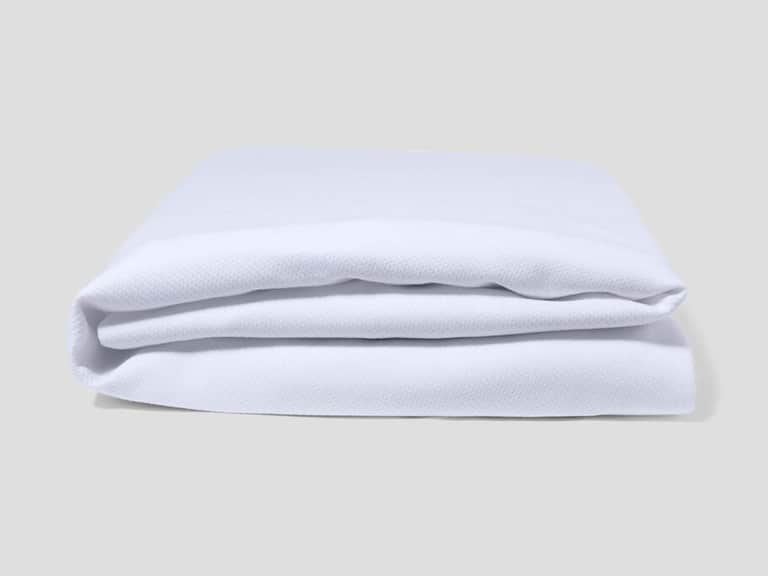
A mattress is a central piece of a broader sleep system. In keeping with the pedagogical ethos of mattresses.ca, we encourage readers to think holistically about how organic choices fit within a Canadian home. This means pairing the mattress with bedding that supports breathability, warmth when needed, and easy maintenance. Sheets made from organic cotton or bamboo blends, protected by washable covers, can enhance the perceived comfort and longevity of an organic core. Choosing a protective layer with moisture management properties can preserve both the mattress and the air quality in your bedroom, a key consideration for households with sensitivities or allergies.
The end goal is a sleep environment that respects the body’s needs and the planet’s health. Organic materials—when properly certified and transparently sourced—offer a pathway to this goal, aligning comfort with responsibility. Canadian consumers, with their climate diversity and strong consumer rights culture, are well positioned to advocate for clarity in product claims and durability in expectations. In this context, buying an organic mattress becomes not only a personal wellness decision but also an ethical and environmental one that resonates with the country’s broader values of stewardship and care for community and environment.
Closing Thoughts: Towards a Thoughtful Sleep Future
The pursuit of an organic mattress in Canada is a nuanced journey that blends science, ethics, and practical discernment. By understanding the material options, certifications, and regional realities, readers can approach purchases with confidence, knowing they are selecting a product that aligns with health priorities and sustainability commitments. Mattress education—rooted in evidence, transparency, and local relevance—offers a pathway to longer, healthier sleep and a more mindful relationship with the materials that touch our bodies every night.
Related Resources
For readers seeking deeper dives into the practicalities discussed here, consider these topics and questions as starting points for further exploration with Canadian retailers and sleep scientists:
- How to interpret third-party certifications for organic textiles in mattress components
- Seasonal sleep strategies: adapting your bedding and foundation for Canadian winters
- Understanding the environmental footprint of mattress materials across life cycles
- Questions to ask a retailer when evaluating organic latex and organic cotton options
Product Note
The platform embraces a rigorous standard: mention a product only when it genuinely fits the article topic and link to its product page. In this article, no specific product is promoted beyond general material and certification discussions. If such a product is appropriate, it would be referenced with a direct link to its official page, preserving the integrity of the reader’s search for organic, Canadian context.
Initial Recommendations for Canada
As a starting point for Canadian shoppers, consider seeking out a mattress that clearly specifies:
- GOTS and/or GOLS certification for textiles and latex components
- A transparent material list with a detailed breakdown of core and cover materials
- Warranty terms that address regional considerations and care requirements
- Foundations and bed frames compatible with organic cores and performance expectations
Remember, the most sustainable sleep system is the one that combines comfort, health, and responsible stewardship—an ideal that aligns with Canada’s enduring values of quality, transparency, and care for the land we call home.
Published date: 2026-09-30